


At a glance
- Existential Axis
- Love
- Triad
- Affective
- C-Modes
- C1 · C3
- From Trust, takes on traits of
- E-Mode 4
- From Fear, takes on traits of
- E-Mode 8
From Fear
Perspective · what they think
I have to be needed.
I will not be loved or wanted if I am not needed.
Affective · what they feel
Fear of not being loved or wanted.
Effective · what they do
Securing affection.
Self-interested help and emotional dependence.
From Trust
Perspective · what they think
I am loved.
I am worthy of being loved and of loving.
Affective · what they feel
Unconditional love.
Effective · what they do
Loving freely.
Free, selfless giving.
Examples
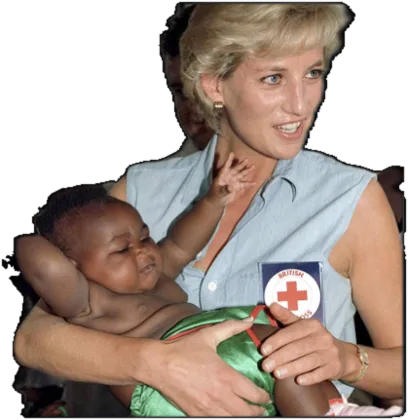 Lady DiPrincess of Wales
 Susana GiménezTV host
 ShakiraSinger
 Mother TeresaNun
The Existential Axis of Love
The Existential Axis of Love takes shape when, in the early years of life, a child develops a special attention to the world of emotional bonds. This Axis is tied to emotional recognition, connection with others, mutual care and the expression of affection. Experience is organized around the importance of building close, meaningful and emotionally available relationships.
In this way, Love becomes an Axis that holds existence together, setting an orientation toward encounter, emotional availability and the building of deep, reciprocal bonds.
The Axis of Love lived from Fear
The person experiences love as something that must be constantly earned, kept or protected. The bond becomes fragile and conditional, and the possibility of being rejected, ignored or not being enough for the other person creates strong emotional anxiety. They begin to develop strategies to make themselves indispensable or to give themselves over to the other, hoping to secure, through that giving, the affection they need.
From this experience, they may develop:
- A constant need to be useful or needed in order to feel loved.
- A tendency to anticipate other people's needs while neglecting their own.
- Difficulty recognizing their own wishes or emotions unless they are mediated by the relationship.
- Distress in the face of rejection, indifference or emotional distance.
- Behaviors aimed at earning affection, even at the expense of their own balance.
Love is not lived as a free bond but as a conditional one. The person pours themselves into others with intensity, but often disconnected from themselves, trying to secure the affection they feel they need in order to fully exist.
The Axis of Love lived from Trust
The person experiences love as something free, mutual and safe. They no longer need to strive to deserve affection, or fear the bond will disappear if they do not give something in return. There is a deep inner certainty that it is possible to love and be loved simply for being who they are.
From this experience, they show:
- The ability to connect authentically, without depending emotionally on the other person.
- Generous emotional giving that does not expect immediate return or build relationships out of need.
- The ability to recognize and express their own emotional needs without guilt or fear.
- A deep emotional presence that can accompany others and also step back when needed, without losing its own connection.
- Solid self-esteem, based on self-recognition rather than on outside emotional validation.
Love is experienced as a reciprocal, stable bond, sustained by genuine emotional availability. The person does not shape their giving around outside recognition: their capacity to love comes from an integrated inner imprint that is safe and sufficient in itself.
Childhood context
Exploring the childhood context allows us to understand more deeply how certain traits develop from an early age. Many of the behavior patterns we see in adults are rooted in childhood experiences and family dynamics. Understanding the context in which we first set the way we face our existence helps us understand how we face situations and challenges today.
Helpful, cooperative children
From an early age, a child with E-Mode 2 tends to stand out for their natural wish to connect with others and help them with their needs. They are sensitive to other people's emotions and have a great ability to sense the unspoken needs of those around them.
- They internalized the message that their needs are not as important as other people's.
- Their self-esteem is tied to the idea of being valuable and needed by others.
- They may seek approval and affection by offering help and attention to others.
- Experiencing connection and love through attention and care becomes central to their sense of worth.
- They tend to put their own needs on hold to make sure others are happy.
- In play and social interactions, they often take on the role of caregiver, offering help and support to their peers.
Positive family context
- An environment where empathy, kindness and care for others were valued.
- Parents or caregivers who modeled generosity and compassion.
- Open expressions of affection, emotional validation and warmth.
- Healthy emotional communication and free expression of feelings.
- They were taught the importance of healthy boundaries alongside care for others.
- Opportunities to take part in community or volunteer activities.
Message perceived in childhood: "You are wanted."
Negative family context
- An environment where love and attention were conditional, based on caring for or pleasing others.
- The child took on caregiving roles from a very young age, believing their worth depended on satisfying others.
- Lack of recognition of their own emotional needs.
- Parents or caregivers who were emotionally absent or absorbed in their own problems.
- Reinforcement of the role of "caregiver" or "peacemaker" in the family.
- Difficulty developing an independent identity and recognizing their own needs.
Message perceived in childhood: "It's not OK to have needs."
From Fear
What E-Mode 2 thinks (Perspective), feels (Affective) and does (Effective) in the Fear dynamic.
| ThinksPerspective | FeelsAffective | DoesEffective |
|---|---|---|
| «If I help, I'll be loved.» | Anxiety | Offering help no one asked for. |
| «My needs aren't as important as other people's.» | Resentment | Ignoring their own needs. |
| «I need others to show me their affection to feel valuable.» | Insecurity | Constantly seeking emotional approval. |
| «I have to make them need me so they won't leave me.» | Frustration | Manipulating emotionally. |
| «I've done more for others than they do for me.» | Pride | Exaggerating their contribution or sacrifice. |
| «If I say no, they won't come to me anymore.» | Guilt | Finding it hard to say "no". |
| «If they don't need me, they'll leave me.» | Fear | Creating dependent relationships. |
Reference character: Donna Paulsen (Suits)
 Perspective · ThinkFrom Fear
What do they think?
From the fear of not being wanted or loved, they may have recurring thoughts that reflect their need to be cared for and valued. Some examples of the inner narrative:
- Self-worth through service: "I'm only valuable when I'm helping others."
- Worry about relationships: "If they don't need me, they might leave me."
- Doubt about reciprocity: "I do so much for others; why can't I get the same in return?"
- Justifying sacrifice: "If I sacrifice my needs for others, they'll surely appreciate me."
- Denying their own needs: "I shouldn't think about myself; that's selfish."
- Rejecting rejection: "I can't stand the idea of someone not loving me."
- Fear of loneliness: "Being alone means I'm not good enough."
- Insecurity: "Did I go too far? Will they see me as desperate for attention?"
- Idealizing unconditional love: "True love means giving without expecting anything in return."
These thoughts can lead them to focus excessively on other people's needs and neglect their own. It is essential that they learn to value themselves for who they are and understand that being loved does not depend solely on their ability to help.
 Affective · FeelFrom Fear
What do they feel?
From the fear of not being loved or appreciated, they may experience a range of emotions that reflect their need for connection and recognition:
- Anxiety: constant worry about how others see them and whether they are being helpful or kind enough to earn their love and appreciation.
- Sadness: disappointment when they sense that their efforts to help are not recognized or valued.
- Frustration: irritation or resentment if they feel their sacrifices are not returned or that others do not respond to their care as they hoped.
- Fear of rejection: a deep fear of being set aside if they do not meet others' expectations or stop being needed; fear of ending up alone in life.
- Guilt: when they put their own needs first or cannot help someone.
- Overload: they feel emotionally overwhelmed by the self-imposed pressure to take care of others.
- Emptiness: a sense of inadequacy when they are not in a giving-and-receiving relationship, or when they realize their help is seeking validation.
- Jealousy or envy: toward those who receive the love or attention they want, or toward those who seem more needed or valued.
- Denial: they may repress negative emotions to keep up the image of always being kind and positive.
These emotions, though natural responses to the fear of not being loved, can lead them to counterproductive behaviors and unhealthy relationships.
 Effective · DoFrom Fear
What do they do?
From Fear, they are driven by the desire to be loved and appreciated, and by the fear of not being cared for, not being valued or being rejected. They may show behaviors aimed at winning other people's acceptance and affection:
- Overhelping: they try to please by constantly offering to help, even when no one asks or when doing so goes against their own needs.
- Seeking validation: they look for recognition and appreciation for their efforts, and feel hurt or rejected if they do not receive the gratitude they expected.
- Overadapting: they change their opinions or wishes to align with those of others, and lose touch with their own feelings.
- Other-centered relationships: they focus intensely on other people's needs and problems, ignoring their own, and sometimes become intrusive or controlling under the guise of "helping".
- Emotional manipulation: sometimes unconsciously, they use emotional strategies to keep people close and feel indispensable.
- Denying their own needs: they find it hard to recognize and express what they need, and always put others first.
- Sensitivity to rejection: they are extremely sensitive to signs of not being needed, which can lead them to seek attention.
- Dramatizing: they exaggerate their sacrifice or their problems to draw attention and gain sympathy or help.
- Dependent relationships: they may build bonds in which they feel responsible for others' wellbeing, with unbalanced dynamics.
Their personal growth involves learning to recognize and attend to their own needs, set healthy boundaries and build more balanced relationships.
From Trust
What E-Mode 2 thinks, feels and does in the Trust dynamic.
| ThinksPerspective | FeelsAffective | DoesEffective |
|---|---|---|
| «It's OK to take care of myself first.» | Confidence | Setting healthy boundaries. |
| «Asking for help makes me stronger and connects me with others.» | Vulnerability | Asking for help when they need it. |
| «My needs matter and deserve to be heard.» | Authenticity | Recognizing and expressing their own needs. |
| «I give because I want to, not because I expect to be rewarded.» | Generosity | Giving without expecting anything in return. |
| «It's fine for each person to be self-sufficient.» | Respect | Encouraging independence in others. |
| «Growing personally makes me more able to love and be loved.» | Self-worth | Investing time in their own personal growth. |
Perspective · ThinkFrom TrustWhat do they think?
When they live their Axis from Trust, their thoughts reflect emotional maturity and greater self-awareness:
- Self-worth: "I'm valuable and deserve love, even without doing anything for others."
- Healthy boundaries: "It's OK to say no and set limits to protect my time and energy."
- Independence: "I don't need others to depend on me to feel whole and valuable."
- Self-care: "Taking care of myself is as important as taking care of others."
- Fairness: "It's fair and necessary to receive as much as I give in my relationships."
- Authenticity: "My feelings and needs matter and deserve to be expressed openly and honestly."
- Genuine gratitude: "I'm grateful for the relationships I have and for what I receive from them."
- Letting go of approval: "I don't need constant approval from others to feel fulfilled."
- Selfless generosity: "I can offer help without expecting anything in return and without sacrificing my wellbeing."
- Balanced empathy: "I can empathize with others without making myself responsible for their emotions."
This shift lets them move from seeking outside validation to finding inner validation, and take part in reciprocal, healthy relationships where they can give and receive love in a balanced way.
Affective · FeelFrom TrustWhat do they feel?
Their emotions reflect a more balanced and authentic state, which comes from a deep connection with their own identity and needs:
- Self-acceptance: compassion and love toward themselves, recognizing their worth beyond their usefulness to others.
- Gratitude: deep appreciation for relationships and bonds, without feeling they have to earn them.
- Satisfaction: joy in their own life; they enjoy activities and relationships for their own sake.
- Inner peace: the calm that comes from not seeking constant approval.
- Confidence: assurance in their abilities and certainty that they are worthy of love and belonging without needing to please.
- Balance: steadier emotions, because they are no longer ruled by the need to attend to others at their own expense.
- Genuine generosity: joy in helping out of a sincere wish, not out of the need to be needed.
- Emotional independence: they can sustain their wellbeing without depending on outside validation.
- Conscious empathy: a deep understanding of other people's emotions, with the wisdom not to absorb them as their own.
Dependence and the need to be needed turn into genuine, free love.
Effective · DoFrom TrustWhat do they do?
Their actions reflect a better balance between attending to others and taking care of themselves:
- Self-care: they take time for themselves and attend to their physical and emotional needs.
- Healthy boundaries: they set and keep clear boundaries, and learn to say "no" when necessary.
- Authenticity: they are honest about their feelings and needs, instead of changing their behavior just to please.
- Support without attachment: they help without expecting anything in return and without meddling in other people's affairs.
- Balanced empathy: they understand and respect others' feelings, without taking full charge of solving their problems.
- Self-expression: they express themselves creatively and share more of who they really are.
- Recognizing their own merit: they accept praise and recognition for their personal achievements, not only for helping.
- Independence: they encourage both their own independence and that of others, and support without creating dependence.
- Emotional balance: they manage their emotions without being ruled by the wish to be needed, and find satisfaction in a variety of relationships and activities.
They become more aware of their own worth and find a self-esteem that does not depend on their usefulness or service. This lets them relate in healthier, more satisfying ways, with themselves and with others.
From Fear to Trust
From Fear: separate dimensions
From Trust: integrated dimensions
The integration process of E-Mode 2 begins when they stop acting, feeling and thinking from fear, actively working on their fears and exploring new possibilities, and start doing so from trust. In this way they enrich the way they face existence and begin to show positive traits of E-Mode 4 (authenticity, emotional connection and self-expression), which they usually did not develop or nurture enough. They move toward individuality and self-care.
Integration is, therefore, the process through which a wider range of competencies, skills and resources is acquired to build a fuller, more authentic existence.
Perspective · ThinkPerspective: from Fear to Trust
It helps to adopt a set of thoughts that foster self-esteem, emotional independence and self-care:
- From the need to be needed to autonomy: from "I'm only valuable if others need me" to "I value my own company and I make myself whole."
- From self-sacrifice to self-preservation: from "I always have to put others first" to "My needs matter too."
- From outside recognition to self-validation: from "I need others to recognize me to feel good" to "I recognize and celebrate my own contributions."
- From imposed help to respecting boundaries: from "I always have to help, even if no one asks" to "I respect other people's boundaries and autonomy."
- From fear of rejection to self-acceptance: from "If I don't do this, they'll reject me" to "I'm worthy of love just as I am."
- From overadapting to authenticity: from "I have to change to please others" to "I can be who I really am and be accepted."
- From seeking approval to living by their own values: from "I do things so they'll love me" to "I do things because they're aligned with my values."
- From forced connection to genuine connection: from "I always have to stay connected to others" to "I cultivate meaningful, reciprocal and healthy bonds."
- From self-neglect to self-care: from "I have no time for myself" to "Taking care of myself is a priority."
- From manipulation to sincerity: from "I manipulate situations so they'll love me" to "I act sincerely and build relationships based on honesty."
These shifts in thinking are vital for developing a healthier self-image and learning to value themselves regardless of their acts of service.
Affective · FeelAffective: from Fear to Trust
To connect with their own emotions and needs, they can try:
- Emotional recognition: identifying and naming their emotions without judging them, recognizing that all of them are valid and serve a purpose.
- Emotional processing: allowing themselves to feel each emotion fully, instead of suppressing it, ignoring it or immediately channeling it into helping others.
- Emotional communication: expressing their emotions honestly and directly, instead of manipulating or expecting others to guess them.
- Emotional independence: recognizing that their self-esteem does not depend on other people's approval or gratitude.
- Self-compassion: being kind and understanding toward themselves, especially in the face of mistakes or failure, instead of criticizing themselves.
- Emotional balance: seeking a balance between attending to their own emotions and those of others, without always putting others first.
- Inner gratitude: being thankful for their own capacity to feel and connect emotionally, beyond outside reciprocity.
- Healthy emotional detachment: letting go of dependence on other people's responses and needs, with balanced empathy instead of a symbiotic relationship.
- Meditation: becoming more aware of their emotions in the moment and responding with calm and centeredness.
- Self-exploration: a process of self-knowledge that explores their values, passions and personal goals.
By working with their emotions this way, they gain autonomy and self-awareness, need less outside validation, and their actions come from authenticity and self-acceptance.
Effective · DoEffective: from Fear to Trust
Behaviors that can help foster self-care and healthy boundaries:
- Self-care: devoting time to their own needs and hobbies to nurture their wellbeing.
- Setting boundaries: learning to say "no" and set clear limits in their relationships so they do not overload or neglect themselves.
- Asking for help: allowing themselves to be vulnerable and ask for support when they need it, recognizing that they also deserve to receive.
- Self-expression: taking part in activities that encourage personal and creative expression without seeking outside approval.
- Independence: making their own decisions and spending time alone to strengthen their emotional independence.
- Checking their motives: before acting, asking themselves whether the motivation is genuine or a search for approval.
- Recognizing their merits: celebrating their achievements and qualities without depending on other people's recognition.
- Gratitude: being thankful both for what they receive and for what they offer.
- Reciprocal relationships: investing in bonds with a fair exchange of giving and receiving.
- Authenticity: being honest about their needs and emotions, and communicating them clearly and appropriately.
- Beauty and creativity: cultivating and expressing their creativity, finding joy and meaning in aesthetics and self-expression.
These behaviors help them rebalance their attention between others and themselves, which is essential for their personal development and integration.
Levels of integration
Disintegrated
Manipulation and coercion. They fear driving people away and may justify their manipulative behavior, trying to make others depend on them. They can become obsessive in their search for love and attention, and act relentlessly and inappropriately. In the worst case, they may collapse, take on the role of victim or martyr and force others to take care of them.
- Effective: they resort to manipulation and coercion.
- Affective: resentment, aggressiveness and overwhelming anxiety.
- Perspective: a distorted outlook that justifies unhealthy behavior and casts them as the victim.
Semi-integrated
People-pleasing and a need for approval. They begin to worry about not being loved or needed enough, and seek security in their relationships through pleasing and flattery. They may become possessive and intrusive, putting other people's needs before their own. They also seek recognition for their good deeds and may resent not being appreciated as they expect, which can bring emotional and physical problems.
- Effective: they seek security in outside approval and become people-pleasing, which affects the authenticity of their relationships.
- Affective: people-pleasing prevails and anxiety about emotional recognition grows.
- Perspective: their outlook is shaped by the search for outside approval; they adjust the way they think to avoid rejection.
Integrated
Unconditional love and self-care. They find a balance between taking care of themselves and loving others unconditionally. They recognize their own needs and feelings, and can offer love without expecting anything in return. They are kind, considerate and generous, and accompany others with empathy and affection, sharing their talents and energy genuinely.
- Effective: they balance self-love and altruism; they are effective both in caring for themselves and in genuinely supporting others.
- Affective: they experience unconditional love and self-care.
- Perspective: a positive outlook, based on authenticity and generosity in relationships.
C-Modes: C1 and C3
C-Modes (complementary modes) influence and nuance the characteristics of each person's E-Mode, creating greater variety and richness in behavior. They are the E-Modes on either side of one's own: if someone has E-Mode 9, their C-Modes are 8 and 1.
Understanding C-Modes helps explain the range of behaviors that people with the same E-Mode can show. An E-Mode may show positive and negative traits of one or both C-Modes, only the negative ones, only the positive ones, or a combination.
C-Mode1
Positive contribution · Trust
- Integrity
- Discipline
- Responsibility
Negative contribution · Fear
- Rigidity
- Criticism
- Perfectionism
C-Mode3
Positive contribution · Trust
- Self-assurance
- Ambition
- Versatility
Negative contribution · Fear
- Narcissism
- Superficiality
- Competitiveness
Affective triad
The three triads group the E-Modes according to the dimension in which their way of facing existence is mainly anchored: the effective (action), the affective (emotion) and the perspective (thought).
E-Mode 2 belongs to the affective triad: it covers the emotional qualities that help us relate to other people and feel connected to them. It has to do with emotions, empathy and self-image.
- Focus: they are usually aware of their own emotions and those of others, and center on relationships and personal identity.
- Seeks: attention and relationship.
Challenges
- Intrusive generosity: at times they overstep by giving too much, with a generosity that can feel intrusive.
- Dependence on approval: they may rely too much on outside approval and recognition, looking for positive responses to their gestures to sustain their self-esteem.
- Neglecting their own needs: they forget to take care of themselves because they are too focused on taking care of others.
- Emotional manipulation: in some cases, they may manipulate emotionally to get the affection and attention they want.
Contribution
- Empathy and generosity: a genuine wish to help others, often putting others' needs before their own.
- Interpersonal skills: a great ease in relating to others and building bonds.
- Capacity to support and care: always present and willing to support and accompany, which makes them a valuable friend and partner.
Integration and disintegration strategy
| Dimension | Fear dynamic · disintegration strategy | Trust dynamic · integration strategy |
|---|---|---|
| EffectiveDo |
|
|
| AffectiveFeel |
|
|
| PerspectiveThink |
|
|
Disintegration tactic
Takes on the Fear traits of E-Mode 8
Aggressiveness, control, dismissiveness.
Integration tactic
Takes on the Trust traits of E-Mode 4
Authenticity, independence, awareness of their own emotions.